
Backyard Bug Scavenger Hunt for Kids (1 Minute Setup, 45 Minutes of Joy)

You Might Also Love: Chalk Obstacle Course Color Water Play Backyard Picnic Glow in the Dark Bath
This post contains affiliate links — see our disclosure.
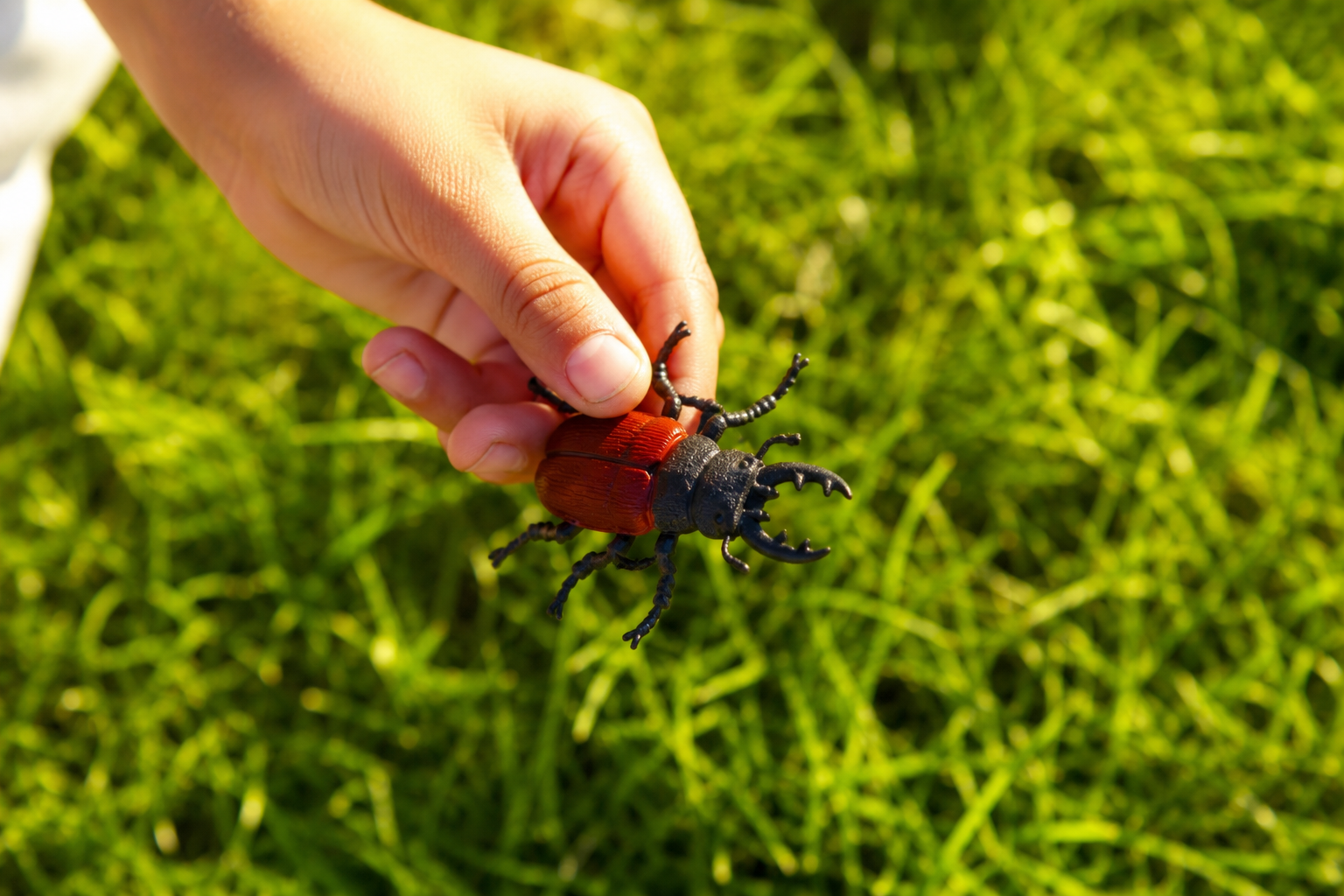
The setup: walk outside before the kids come out and hide 30 plastic bugs around the backyard.
Under flower pots. In the grass. On the fence. Tucked behind garden stones.
Then bring the kids out and say: “Oh no — the bugs escaped! I need your help to find them before they get away!”
Watch two kids spend the next 45 minutes crawling through the grass with absolute purpose, shrieking every time they find one, sprinting back to show you their latest catch.
One minute of setup. Forty-five minutes of joy. Best ratio in all of children’s activities.
⏱ Setup Time: 1 minute | 👶 Ages: 2+ years | 🧹 Mess Level: None | 💰 Cost: $
What You’ll Need
Optional: a bug scavenger hunt checklist (download our free activity guide below!)
Plastic bug variety pack (50–100+ bugs in a variety of types)
A small cup or basket per child for collecting
Optional: a magnifying glass for post-hunt “bug study”
🔗 Plastic bug variety pack
🔗 Kids’ bug catcher set
Setting It Up (Really Is Just One Minute)

Before bringing kids outside, walk around and hide bugs in findable spots. You don’t need to make it tricky — the searching feels exciting regardless.
Good hiding spots:
- Under flower pots (tip slightly, tuck a bug underneath)
- In the grass (press flat so partially hidden)
- On low fence rails or garden edging
- Behind or under outdoor furniture
- On top of garden stones
- Tucked into plant leaves
Give each child a small cup or basket before going out. This is their official collection vessel and makes the whole thing feel more serious.
How to Run the Hunt
Announce it with drama. “The bugs got out of their box. I need bug experts to help me find them.” The narrative framing makes it feel like a mission. Kids take it very seriously.
Set a number goal. If you hid 30, tell them you need all 30 back. Gives the hunt a satisfying endpoint.
Let them search freely. Don’t guide them toward the bugs. The discovering is the whole point.

Celebrate every single find. Even your seventeenth bug: “YOU FOUND ANOTHER ONE! WHERE WAS IT?!” The enthusiasm matters.
Do the post-hunt sort. Sit together and sort bugs by type, size, or color. Count them. Extends the activity naturally and adds a learning layer.
Kid Jobs & Adult Tips
| 👶 Kid Jobs | 💡 Adult Tips |
|---|---|
| Everything — you hid the bugs, they find them | Hide at toddler eye-level — 2-year-olds look down and forward, not up |
| Sorting and counting after the hunt | Plant a “rare” bug (different color or extra large) in a clever spot — make a big deal when it’s discovered |
| Hiding bugs for a second round (role reversal) | Keep a mental count of how many you hid — nothing ruins the ending like stepping on a plastic beetle three days later |
| Grandma tip: keep a bag of plastic bugs in your activity supply closet permanently. This activity is always available on demand. |
Creative Variations
Treasure hunt upgrade: Swap plastic bugs for small prizes inside plastic Easter eggs. Same format, bigger payoff.
Dinosaur hunt: “The dinosaurs escaped from the museum!” — same exact activity, equally effective.
Night hunt: Use glow-in-the-dark bugs + flashlights after dark. Genuinely magical for summer evenings.
Nature study extension: After the hunt, pull up a bug identification guide and match the plastic bugs to real ones. Kids who just spent 40 minutes finding plastic beetles are suddenly very interested in what real beetles look like.

💛 Memory-Making Prompt
When everyone’s sitting in the grass with their collection, ask: “If you could be any bug for a whole day, which one would you pick? What would you do?”
Kids who pick bees describe flying and honey at length. Kids who pick ants build elaborate underground tunnels in their imagination. These answers tell you a lot about how their minds work — and they’re genuinely hilarious.
Frequently Asked Questions
How do you set up a bug scavenger hunt for kids?
Buy a plastic bug variety pack (50–100+ bugs), hide them around the backyard before kids come outside, give each child a small basket, and announce that “the bugs escaped.” That’s it. The entire setup takes about one minute and requires no planning beyond hiding the bugs.
What age is a bug scavenger hunt good for?
Bug scavenger hunts work well for ages 2 and up. Toddlers (2–3) love the physical search and collection aspect. Preschoolers (3–5) get into the counting and sorting after the hunt. Kids 6+ enjoy the role-reversal — hiding bugs for adults or younger siblings to find.
How many bugs should you hide for a scavenger hunt?
Aim for 20–30 bugs per child. This is enough to keep kids searching for 30–45 minutes without running out too quickly. If you have more than one child, increase the count so each child can find plenty. Set a specific number goal and tell kids how many they’re looking for.
Where are good places to hide plastic bugs in the backyard?
Good hiding spots include: under flower pots, pressed into grass (partially hidden), on low fence rails, tucked into plant leaves, behind outdoor furniture, and on top of garden stones. Hide at toddler eye level — young kids look down and forward, not up.
Can a bug scavenger hunt be done indoors?
Yes. Hide plastic bugs around a room — under pillows, behind furniture, inside shoes, tucked on bookshelves. Indoor bug hunts work just as well on rainy days and can be adapted to any space. Give kids a basket and the same announcement: “the bugs escaped.”
📌 Save This for Later!
Pin this so you have an instant outdoor activity ready whenever you need one.
🎁 Want 9 More Ideas Like This?
Download the free Connecting with Your Kids Starter Guide — 10 simple activities with supply lists and step-by-step instructions for every age.
Follow along at @doublebatchlife on Instagram — simple, affordable activity ideas every week.
Written by Double Batch | doublebatchlife.com | Last updated: June 2026




5 Comments
Comments are closed.